Physical Address
304 North Cardinal St.
Dorchester Center, MA 02124
Physical Address
304 North Cardinal St.
Dorchester Center, MA 02124

The business side of Nigerian music has grown just as fast as Afrobeats itself. Behind every hit song, there are systems, contracts, rights, and revenue streams that determine how much an artist truly earns. From royalties to publishing deals and the fine print in contracts, understanding the business side of Nigerian music is essential for upcoming artists, managers, producers, and even fans who want to know how the industry works.
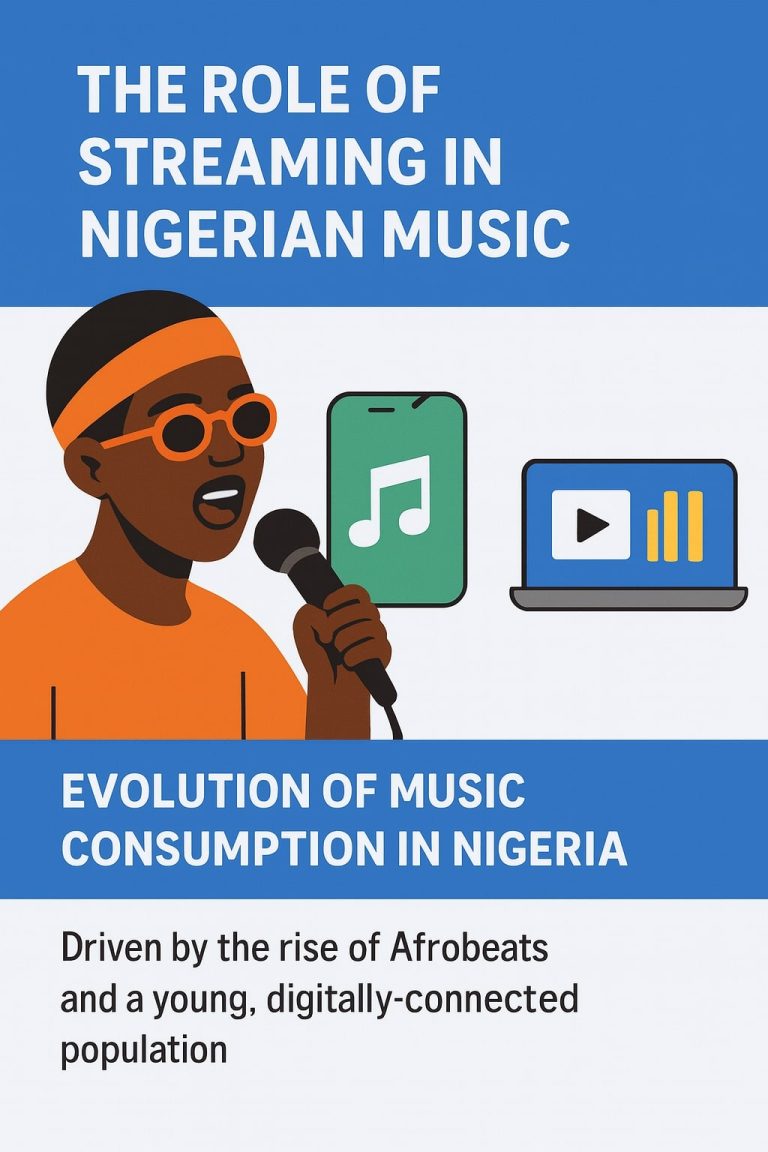
Digital streaming platforms like Spotify, Apple Music, YouTube, Audiomack, and Boomplay have transformed the business side of Nigerian music. Artists no longer rely solely on CD sales or radio play; today, digital consumption determines recognition and income.
The Nigerian music ecosystem includes artists, managers, record labels, publishers, distributors, entertainment lawyers, performing rights organizations, and promoters. Each stakeholder plays a critical role in how revenue flows.
On the business side of Nigerian music, royalties form the bedrock of artist earnings. Common royalty types include:
An Artist Management Agreement in Nigeria is a formal contract that defines the professional relationship between an artist and their manager.
Both parties must sign this agreement. It serves as a roadmap for handling the artist’s career while protecting the rights and interests of each side. Given the manager’s extensive responsibilities, having a written agreement is essential to prevent misunderstandings and conflicts.
For the agreement to be effective, it must include the following essential clauses:
This clause specifies the full legal names and addresses of both the artist and the manager (or management company), including any stage names used by the artist.
This section clarifies what the artist and manager are expected to do. Common responsibilities of a manager include:
All duties should be clearly stated to prevent ambiguity.
Artist management agreements typically run for one to two years. Shorter terms are recommended so both parties can evaluate compatibility. Renewals are optional and must be mutually agreed upon.
This clause outlines the decisions a manager can make on behalf of the artist, with or without prior approval.
It may cover:
Clearly defining authority prevents misuse of power and ensures transparency.
Money is often the biggest source of conflict in artist–manager relationships. Clear financial terms within the Artist Management Agreement in Nigeria help avoid disputes.
Any money spent on the artist—such as for promotion, rebranding, or show bookings—must be clearly documented. The artist should be involved in financial decisions to maintain transparency.
Profit-sharing should reflect the manager’s financial investment and contributions. If a manager funds branding, studio sessions, or promotions, they may justifiably receive a larger share of earnings.
Managers are generally paid a percentage of the artist’s income.
Industry standards in Nigeria range from 15% to 20% of earnings from:
Many disputes in the Nigerian entertainment scene stem from vague or poorly drafted contracts. Rapid success often leads to disagreements, especially around finances or contract terms.
To prevent this, a qualified legal practitioner should draft or review every Artist Management Agreement in Nigeria. A solid agreement ensures:
A properly executed agreement is legally enforceable in court.
Every contract must include a termination clause stating:
This protects both parties if the relationship becomes unworkable.
The Nigerian music industry is bigger, smarter, and more competitive than ever. Whether you’re an artist, manager, producer, or label executive, the difference between success and struggle often comes down to understanding the business side—contracts, royalties, publishing, and the fine print that shapes your earnings.
At sanyawave, we help you stay ahead with expert insights, and resources designed for the modern Nigerian creative.
1. Learn how to protect your rights
2. Understand contracts before you sign
3. Build a profitable, sustainable music career
Visit sanyawave today and empower your journey with industry knowledge that pays.
Don’t just make music—master the business behind it.
Managers typically earn 15% to 20% of the artist’s overall income, including earnings from shows, endorsements, and music sales.
Music copyright covers two major rights:
Artists can earn:
The primary CMOs are:
These organizations collect royalties on behalf of copyright owners.
A breach can result in early termination. The aggrieved party may pursue legal action, depending on what the termination clause specifies regarding remedies and penalties.